Luxor Temple Facts
- Hathor Dahabiya Cruise
- March 9, 2026
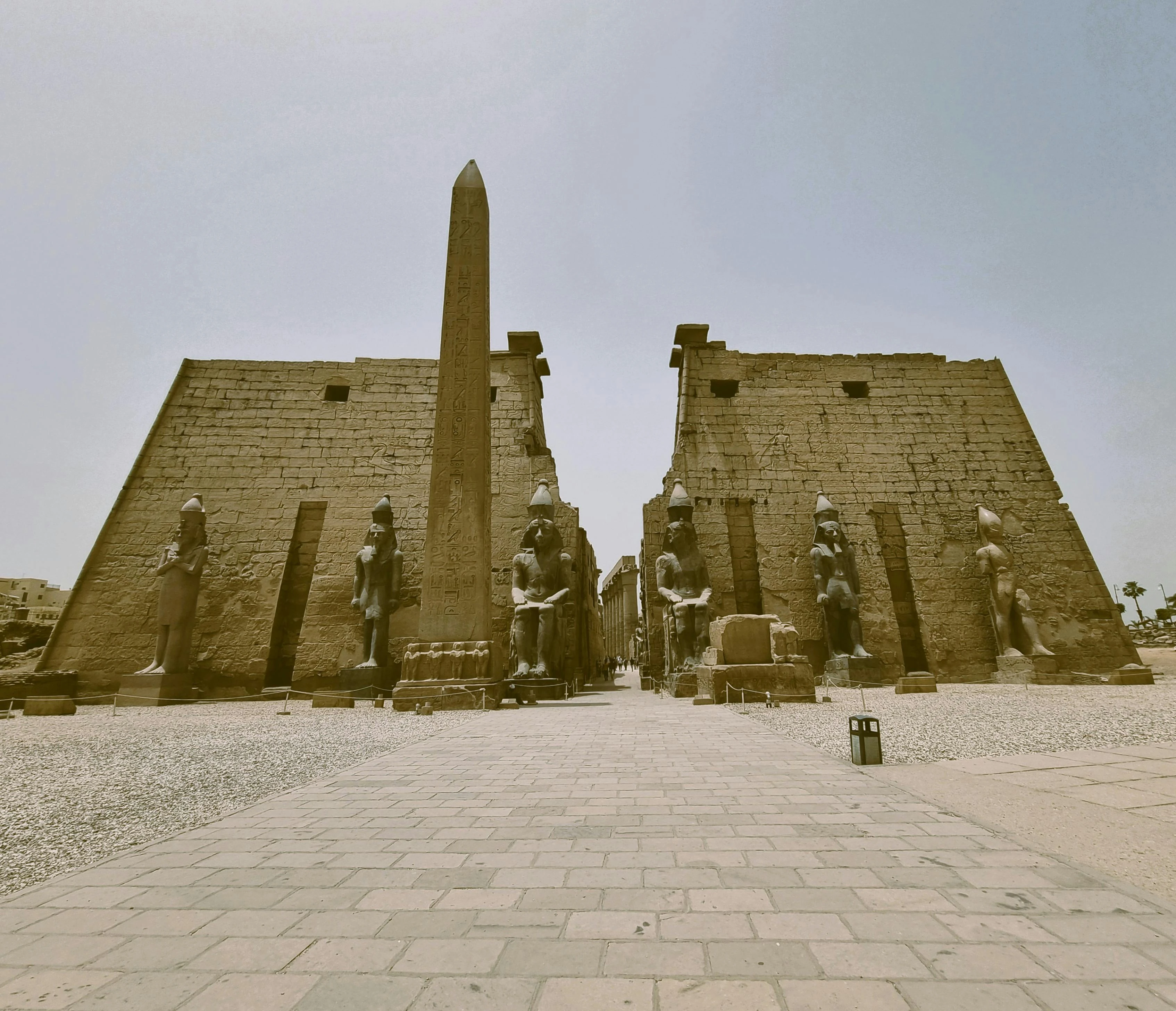
A Timeless Wonder in the Heart of Ancient Egypt
Luxor Temple stands as a historic and prestigious archaeological site in Egypt, attracting many tourists to Luxor as one of its most marketable landmarks.
Located on the eastern bank of the River Nile, the majestic entrance to this temple, which holds immense Luxor Temple history and significance, was more than a century old when it was originally constructed during the reign of the powerful Pharaoh Amenhotep III and later extended by Ramesses II.
Currently, tourist who wishes ancient Egyptian history, architecture and culture loves to travel to Luxor Temple. The Place is well maintained during the night with light ups done, providing visitors with an unforgettable experience.
Unlike typical Egyptian temples, Luxor Temple was associated with more than one god or pharaoh. Instead, it played an important role in royal ceremonies and religious festivals, especially the famous Opet Festival.All this are just some of the fascinating Luxor Temple facts that highlight its unique place in ancient Egyptian history.
The historical significance and exquisite architectural design of Luxor Temple make it one of Egypt's top attractions for people who wish to explore ancient civilizations.
Luxor Temple Facts & history
The Construction of the Temple
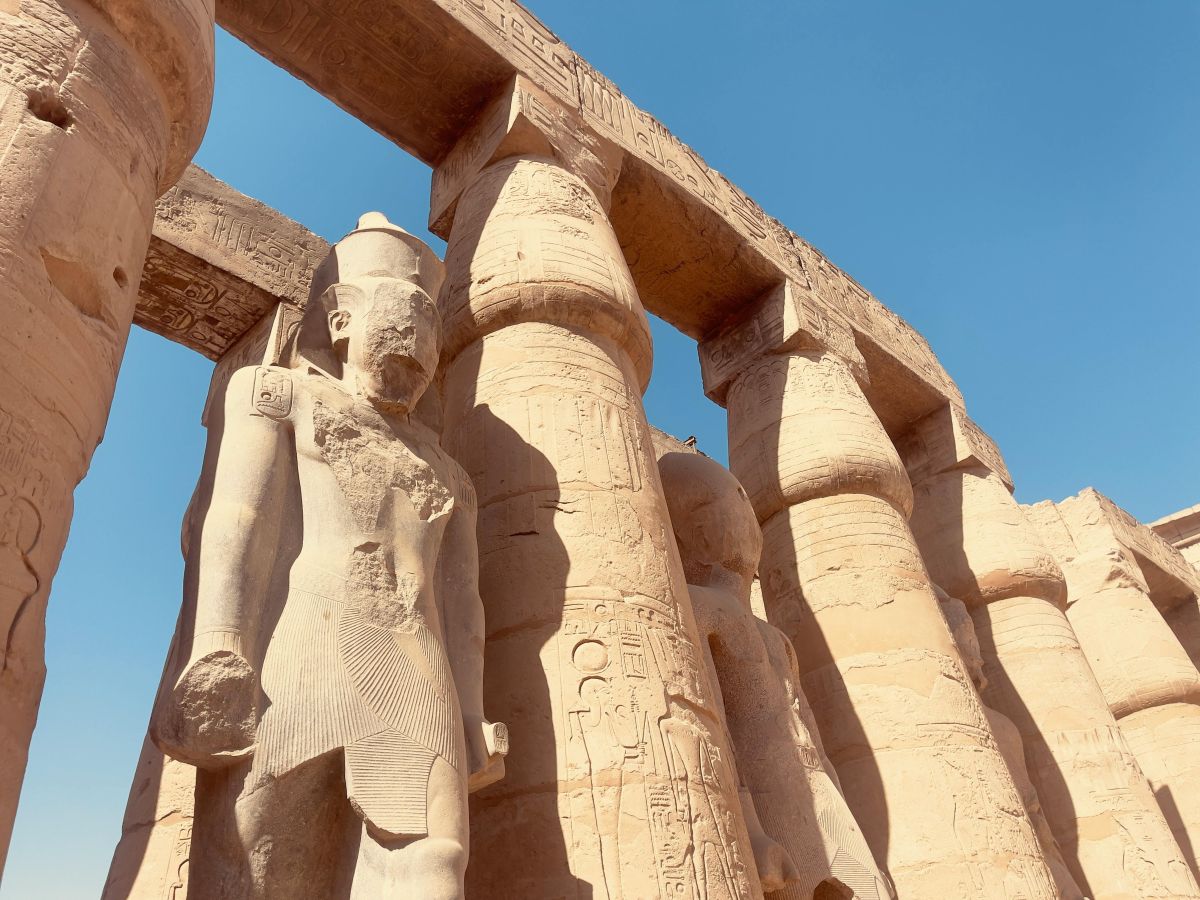
The temple of Luxor was built around 1400 BCE during the reign of Amenhotep III. He, in an effort to build the inner sections of the temple, established a sanctuary for Amun, one of the most important deities in ancient Egyptian religion.
Later on, Ramesses II, the grand pharaoh, organized the magnificent entrance, massive statues, and the impressive Pylon I at the temple's entryway. His additions helped transform Luxor Temple into one of the most magnificent religious complexes of ancient Egypt.
The Role of the Opet Festival
The Opet Festival reached its peak during its main festivities which took place at Luxor Temple on the Luxor East Bank of the Nile River. The yearly religious festival honored the god Amun while it confirmed the pharaoh's divine authority.
During the celebration, sacred statues of the gods were dressed in lavish garments and carried in a magnificent procession from Karnak Temple. The procession traveled along a ceremonial avenue which was lined with human-headed lion bodied sphinxes that extended to Luxor Temple.
The Opet Festival attracted thousands of people from across the Nile Valley because it became one of the most important religious celebrations in ancient Egypt. The event served as a religious celebration which demonstrated cultural unity and royal power.
Changes Through Different Civilizations
In the past, several civilizations made use of Luxor Temple for their purposes. Parts of the temple even became a military garrison during Roman rule! Also, inside the temple walls nestles a church.
In the Islamic period, the beautiful Abu Haggag Mosque was constructed on top of the ancient structure, showing how the site remained important for many generations. This mix of cultures makes Luxor Temple a unique historical landmark.
Visiting Luxor Temple with a Luxury Dahabiya Experience
Many tourists visit Luxor Temple by car or traditional tours, but the experience becomes truly special with a Nile cruise on a luxury dahabiya. Sailing peacefully along the Nile offers a serene, 19th-century explorer like experience.
Rather than large cruise ships, Luxury Dahabiya Nile Cruise offer a more private and relaxed journey with personalized services and breathtaking Nile views. A stay in the Luxury Nile Cruise Rooms overlooking the river provides additional comfort, with one of the highlights being waking up to witness the beauty of the sunrise.
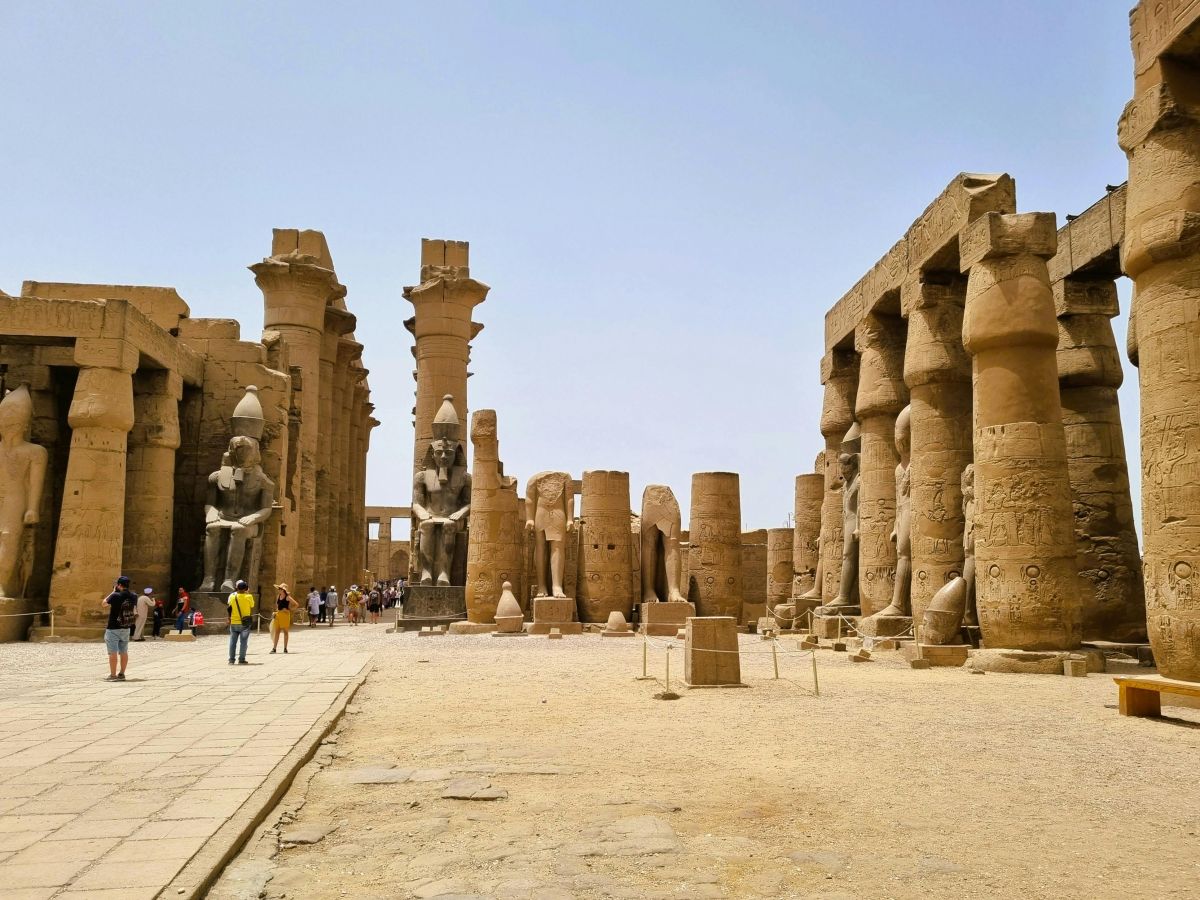
After a calm morning on the Nile, visiting Luxor Temple is even more magical. Explore the awe inspiring statues of Ramesses II, the soaring columns, and sacred offering rooms.
Simultaneously, combine Luxury Dahabiya Nile Cruises with the visit to Luxor Temple, one gets an ideal blend of relaxation, culture, and history-and sailing up a beautiful Nile River-laying a good deal of bounty before the lucky visitor who tastes such wonderful Egypt experience.
