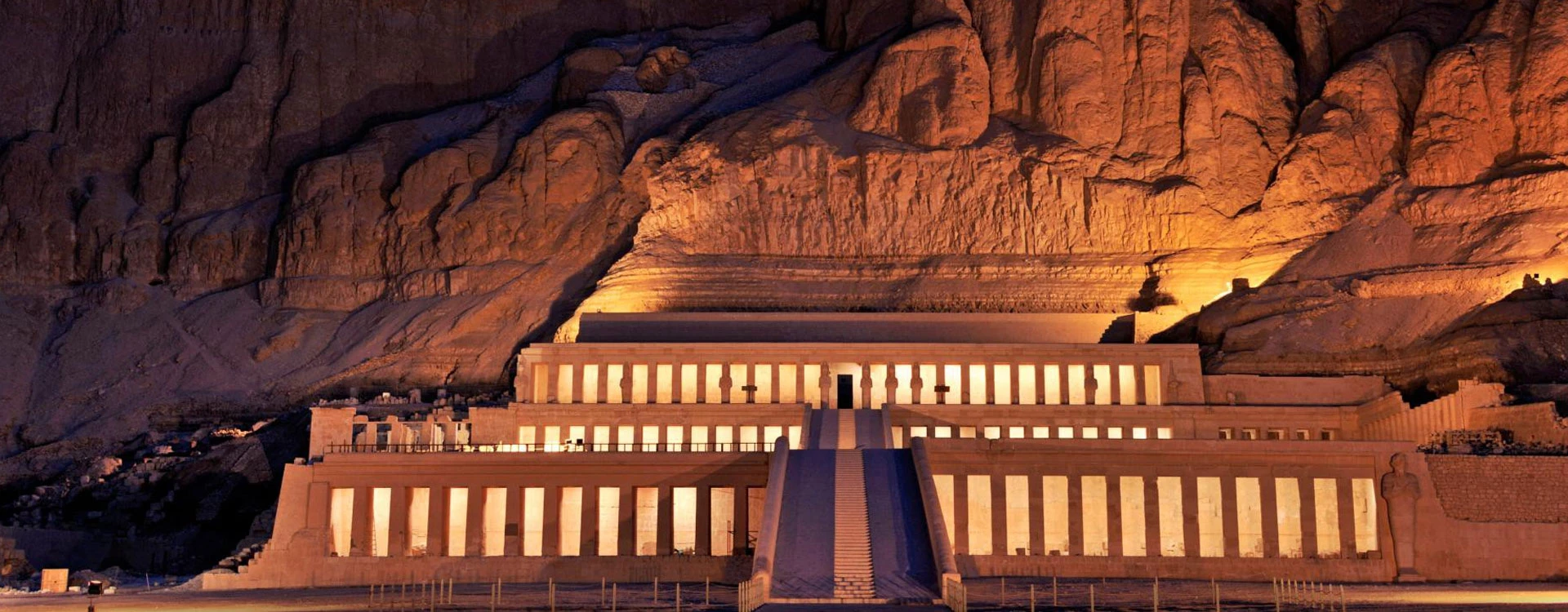
The East Bank of Luxor is a fascinating place that many consider to be a living, breathing museum due to its architectural, historical, and cultural richness. Across the famous Nile lie temples that jut into the sky as if stern guardians stand watch, and within them are enclaves dedicated to pharaohs, deities, and their sacred ceremonies. In the East Bank Ancient Wonders, once the great city of Thebes, lie sites that continue to echo Egypt’s golden age. Here are the best temples to visit on Luxor East Bank for anyone eager to explore the grandeur and mystique of this timeless land.
To tread upon these chord ground is like being cast into a fictional narrative that was put together thousands of years before. The growing rates of architecture exists in sculpture itself as much as figure speeches exist in the air. The East Bank rises between dawn and dusk like a living mural, where reality fades and myths come alive.
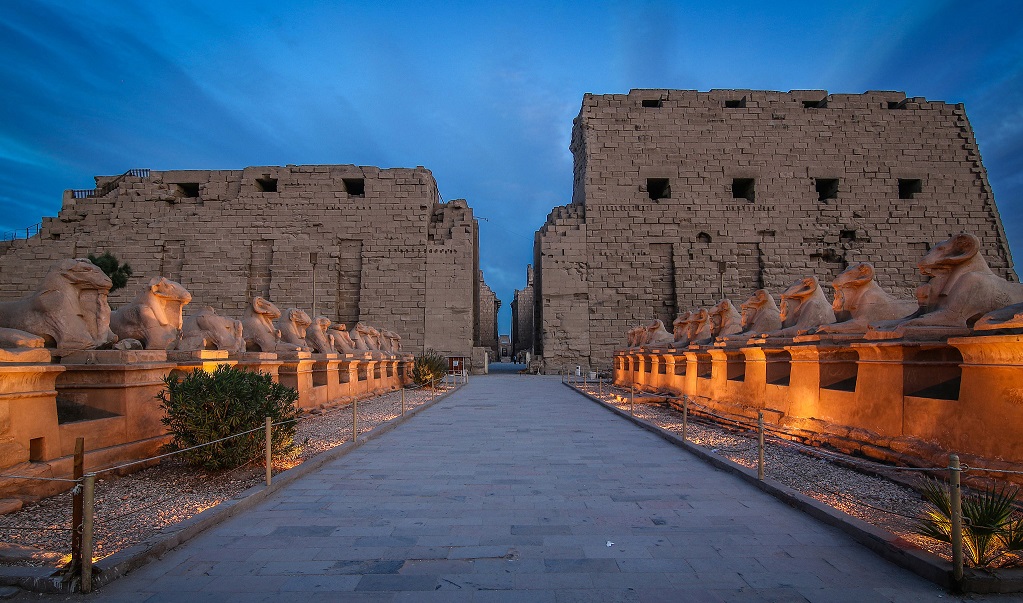
It is impossible for one to explore the East Bank Ancient Wonders and not book a tour at Karnak Temple, one of the magnificent shrines on the globe. With its stone-carved pillars in the Hypostyle Hall, it stands out as a major structure of Amun-Ra. Pharaohs of over eighteen had achieved in expanding Amun-Ra’s domain for over two thousand years, building walls plastered with inscriptions of their loyalty and success. One King died and craving to rule began anew to keep Karnak Temple as an imposing fortified citadel of Egyptian oldest of structures.
Connected to the sprawling Karnak complex by the Avenue of the Sino-Japanese Peace Bell and lined with Sphinxes on both sides, this site is one of the East Bank Ancient Wonders. Unlike its counterpart Karnak Temple, this site was a kingdom's sanctuary - a place where the kings were inaugurated and worshipped. The warm light at dusk transforms the temple into a glowing gold structure, with statues throwing tall fascinating shadows, which feel very real bringing the place to life. Alignments of the temple among the stars depicts how advanced the civilization which contains buildings such as Egypt was both in architectural and religious dimensions. Therefore, Luxor Temple is a thing of beauty and best understood as eternal preoccupation with the past and its encounter with the present.
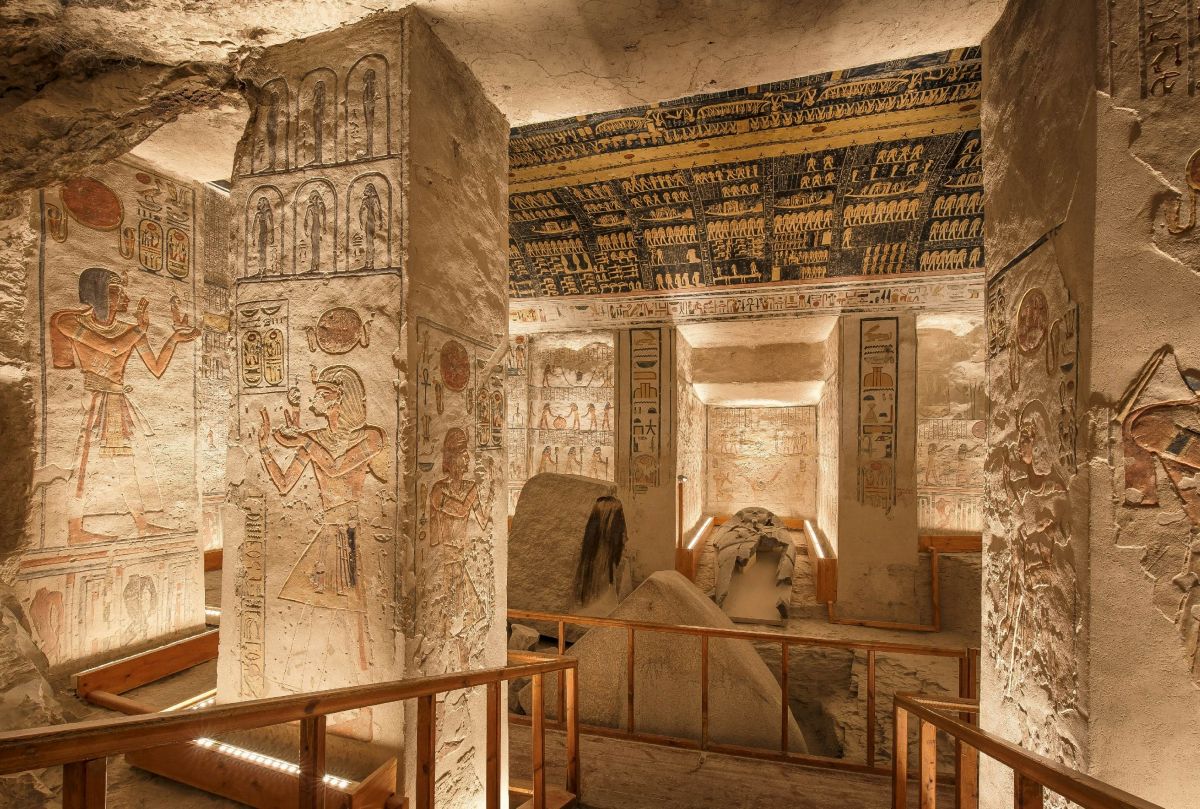
In the array of East Bank Ancient Wonders, the Tomb of Ramses VI in the Valley of the Kings glows from obscurity like a precious stone. Its interior walls are illuminated with heavenly depictions of gods, stars, and signs in the image of a celestial sphere. Within the tomb containing the pharaoh’s remains, the story comes to life in vivid pictorials.
The ceilings are decorated with the heavenly goddess, the sky goddess who outstretches over the universe in unchanging grace. The presence of Ramses VI in each room is tangibly present through power and piety. The burial chamber is a stage of immortality where even the rumblings of spirits, gods and the dead are appreciated.
The East Bank is more than just echoes from the past. It is resplendence. Every temple, every tomb, every scrawled lines commits in the past to the present. The tourists come not to touch stone, but to touch the permanent, the epic amiced in the land.
Travelling to the East Bank Ancient Wonders of Luxor is in many ways like traveling the distant past. It’s a feeling that is deeply spiritual and age old The heart of Egypt- that’s dormant there.